Art Beat Of… Resilience
I wish the world was filled with more reasons to smile.
I illustrate the world of emergency response, societal risk, and risk management. My passion is transforming text-heavy (but important!) information into something more engaging and might just get stuck in your head so that you remember it if you actually need it…
Resilience Core
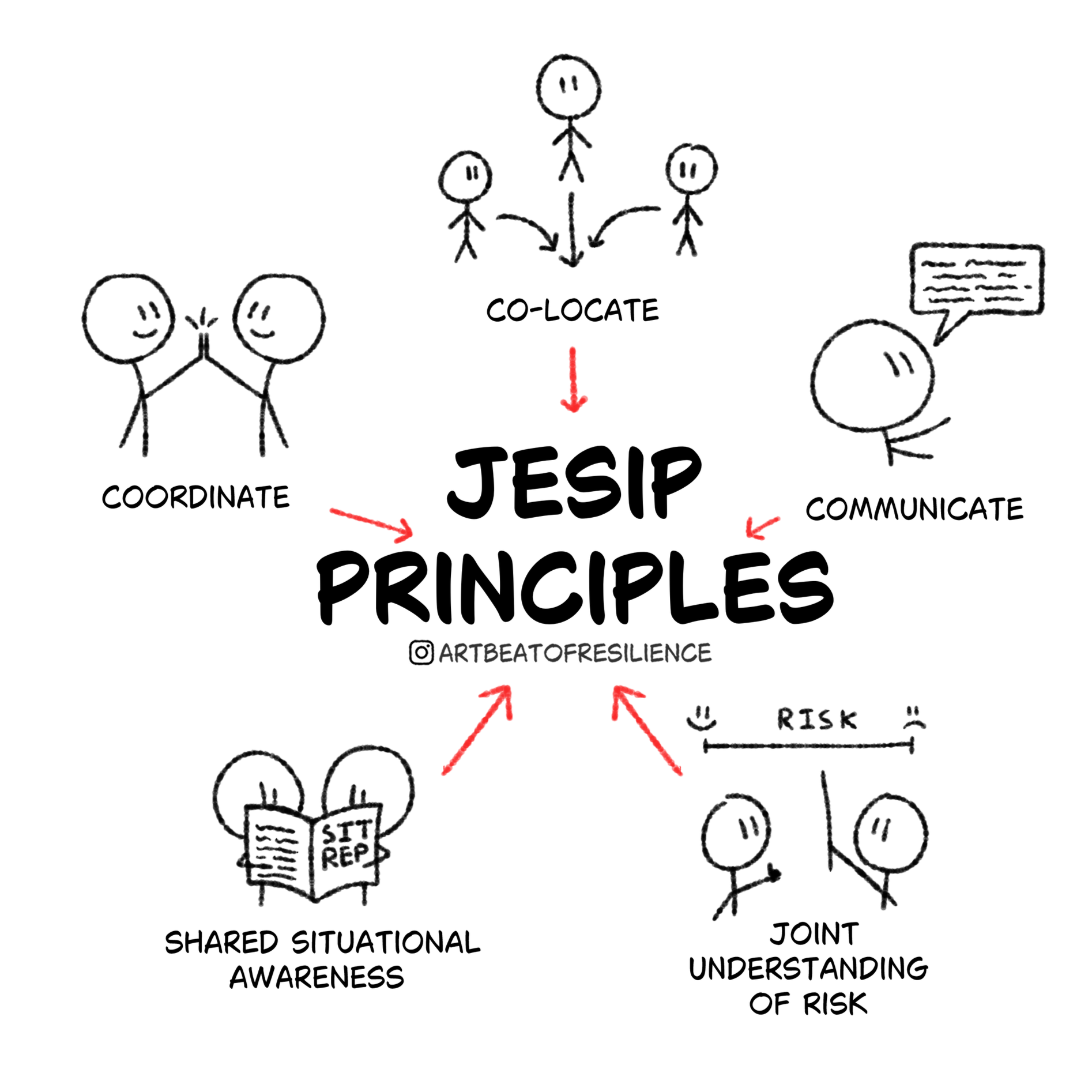
While none of what I do should ever take the place of proper training, it might be able to help keep the training fresh in your mind. Its hard to forget something if your singing along to it as you make a brew. The “JESIP resilience core” series illustrates emergency/resilience principles and puts a catchy beat to it
The (unofficial) Hazard Information Pictures
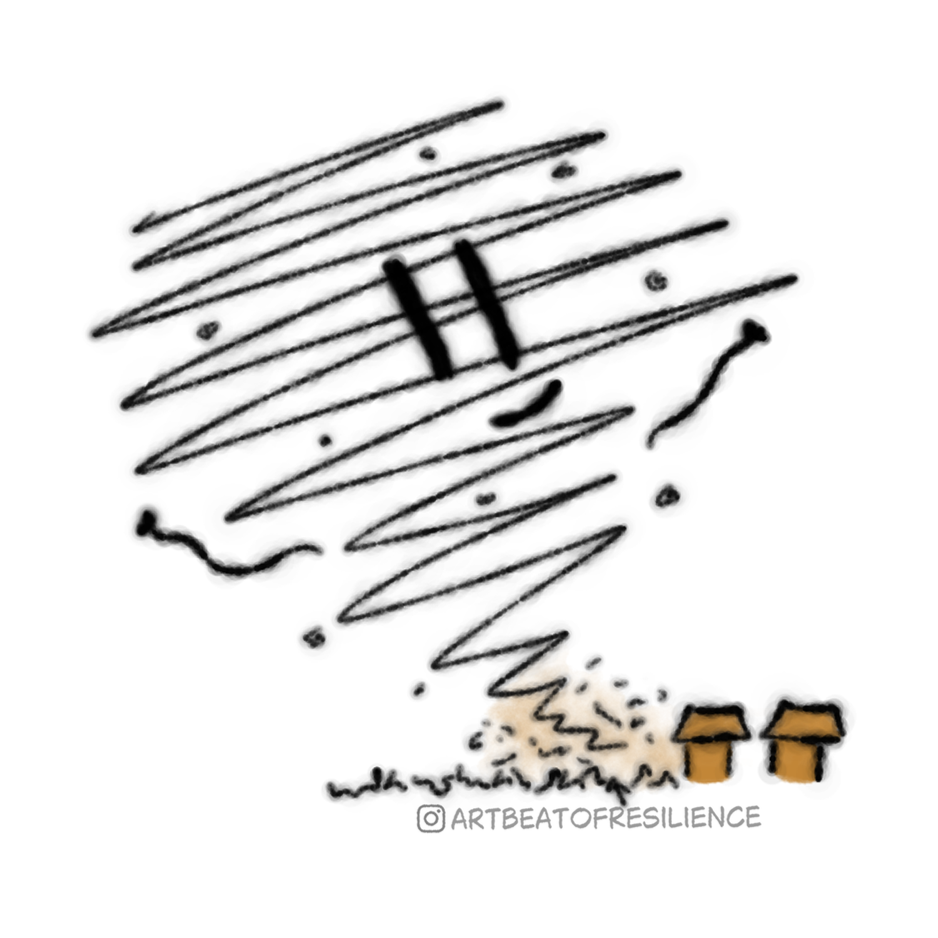
The United Nations Office for Disaster Risk Reduction has a huge register of 281 hazard information profiles (HIPs). They are scientifically grounded, standardized hazard information used by governments, agencies, researchers and educators worldwide. They support risk assessment, disaster preparedness, loss tracking and multi-sectoral planning… Naturally I though it needed more pictures… and the odd song
CAT-astrophes
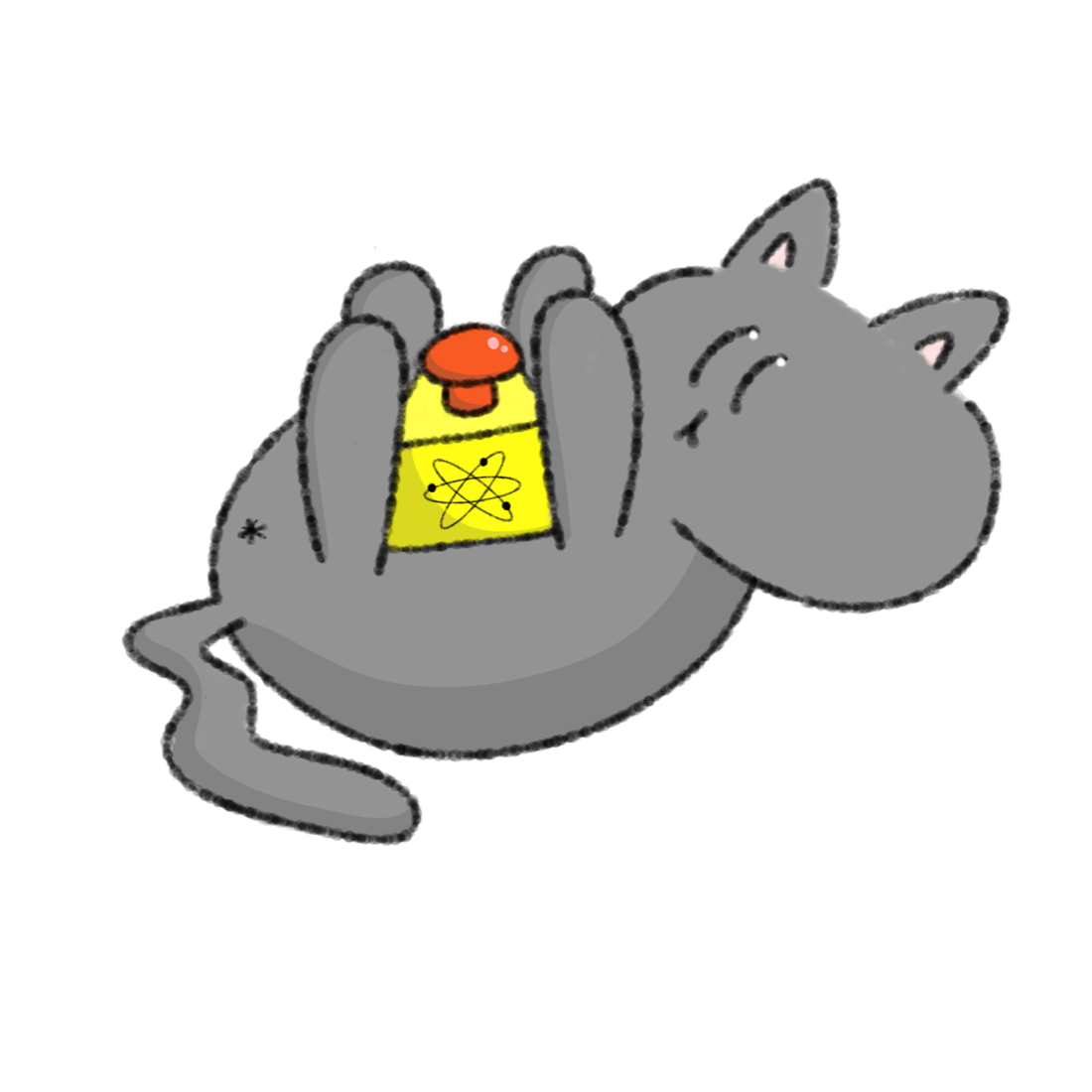
I think the title says it all really… you take a hazard, and add a cat. The CAT-astrophe illustrations are inspired by an incredibly talented emergencies communications expert in America who i would love to meet in person one day. These ones are more just for fun, but are being used as part as an art swap. They also make the most adorable stickers!
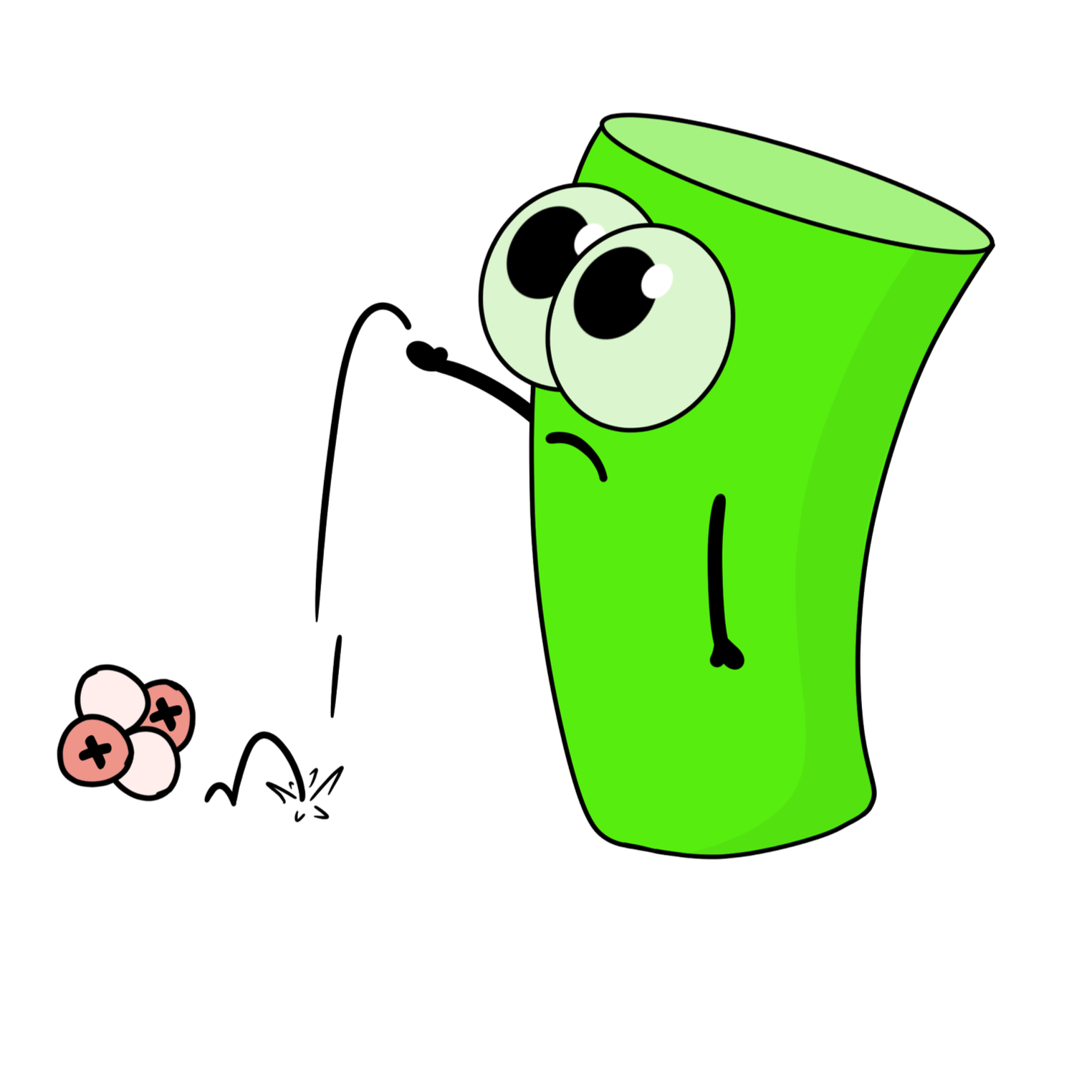
Meet Rodney - the friendly nuclear rod
Rodney is a fan favourite and an adorable introduction to all things nuclear. While his origin story remains a topic of debate (rumoured to involve glowsticks, a powerplant, and lightning), Rodney wonders through the nuclear world trying to make sense of it. Rodney sometimes gets himself into sticky situations that require emergency responses, so don’t throw those engineering degrees away just yet…
UK preparedness
The UK government prepares advice for the public so you know how to be ready in the event of an emergency. It might take a bit of time for emergency services to be able to help so being able to manage on your own for a bit allows help to be focused where its most needed… like getting your grandma out of trouble. It starts with knowing what the hazards are.