It starts with Basel
The big international convention that directs the way hazardous waste (and some other types of waste) is controlled when it’s being moved between countries. Decisions are made at the conference of the parties where all the countries that have agreed to the “rules” of the convention, discuss how to improve waste reduction, management, and movement. The convention is split into the core text, and then a series of annexes. each of the annexes hold supporting information for the main text.

What’s hot at the Basel COP?
The Conference of the Parties (COP) has a set agenda that is discussed by the countries involved in the COP. At the 2023 COP, the main focus was on the plastic waste technical guidelines.
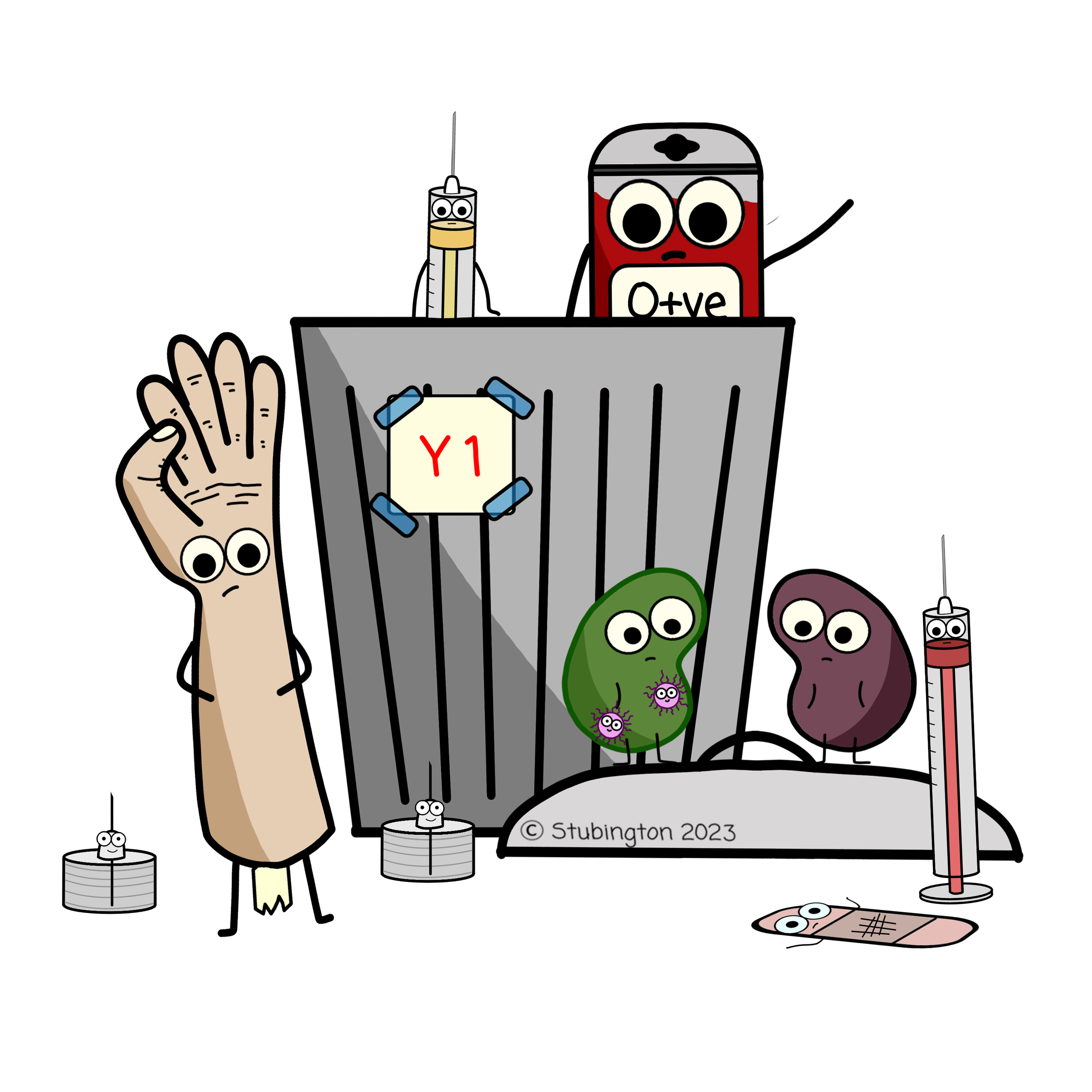
Annex 1 - Controlled wastes
The convention sets out what wastes need to be controlled, and have certain restrictions put on them (such as PIC). If the waste you moving between countries falls under one of these codes then it is classed a hazardous - unless you can prove the waste doesn’t show an annex 3 hazard.
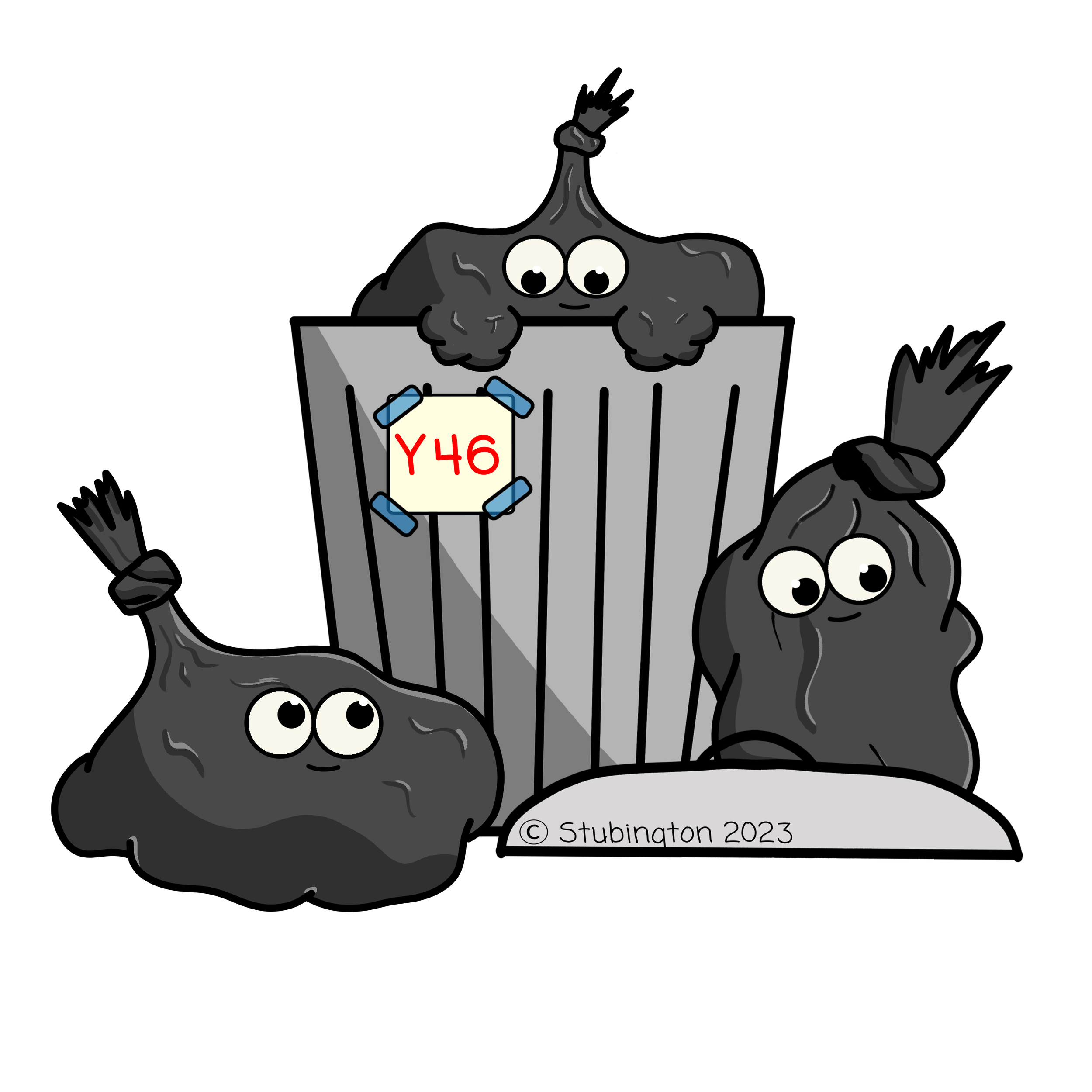
Annex 2 - Other waste
Annex II of the Basel Convention identifies a category of wastes called "other" wastes. Unlike hazardous wastes, which are specifically designated as wastes falling under Annex 1, Annex II wastes are not considered hazardous in and of themselves. Instead, they are referred to as "other" wastes because they don't fall under annex 1 but still require careful handling and management.

Annex 3 - Hazardous properties
Place holder text
Annex 4 - Disposal operations
Place holder text
what do you want to learn about?
-
The Basel convention
The international rules set to govern hazardous waste and how it moves around the world
-
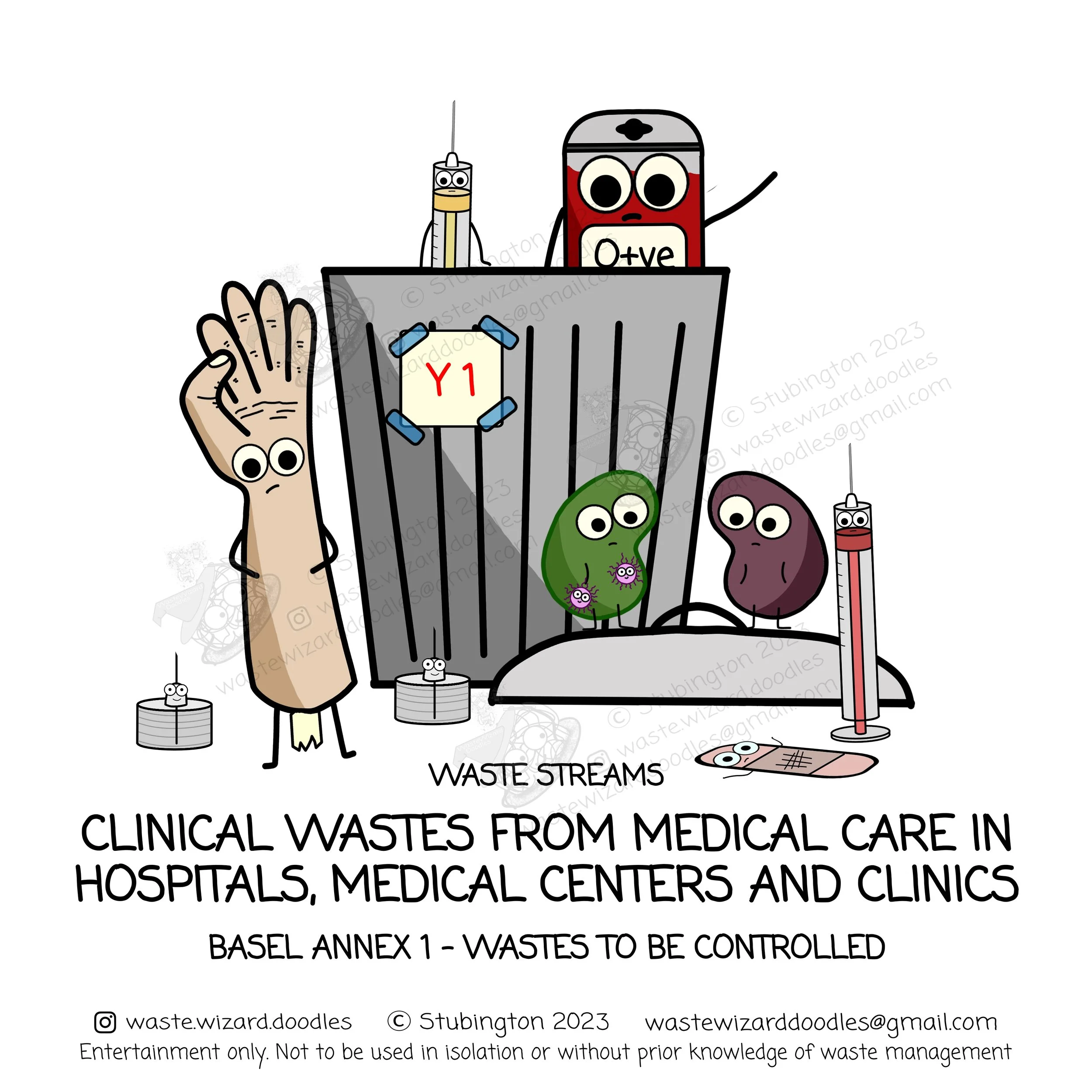
Basel Annex 1
Wastes that the convention defines and hazardous (unless no annex 3 properties are presenting)
-
Basel Annex 2
Wastes that aren’t hazardous but require additional attention
-
Basel annex 3
The properties that makes a waste hazardous
-
Basel annex 3 (D codes)
Disposal operation that don't lead to resource recovery, recycling, reclamation, direct re-use or alternative uses
-
Basel Annex 3 (R codes)
Operations which may lead to resource recovery, recycling, reclamation, direct re-use or alternative uses